
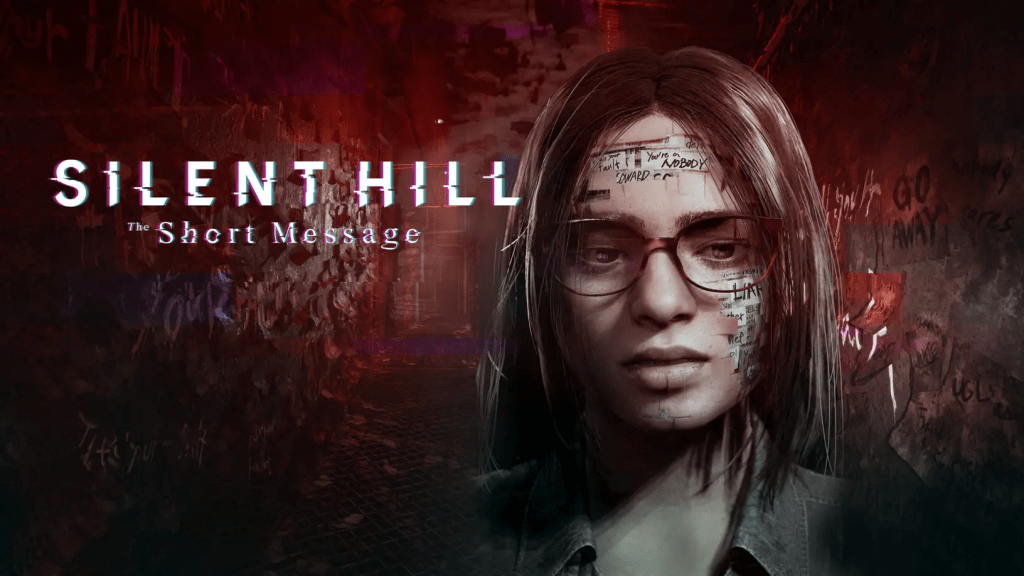
Silent Hill has a mixed history: the longer the series has gone along, the more mediocre the overall results become. The first four games in the catalogue are perhaps stronger than any four entries in any other franchise, across any medium. The original Silent Hill introduced a generation of unsuspecting gamers to a different kind of horror: heavy on the existential and lighter on everything else. Of course, Silent Hill 2 is a paragon of the genre, unsurpassed even to this day, 20+ years after its initial release. Not only one of the best survival horror experiences ever, it belongs in the uppermost tiers of video game royalty. Here was a game that tackled mature, complicated themes in a mature and complicated way. Remember that as we go forward.
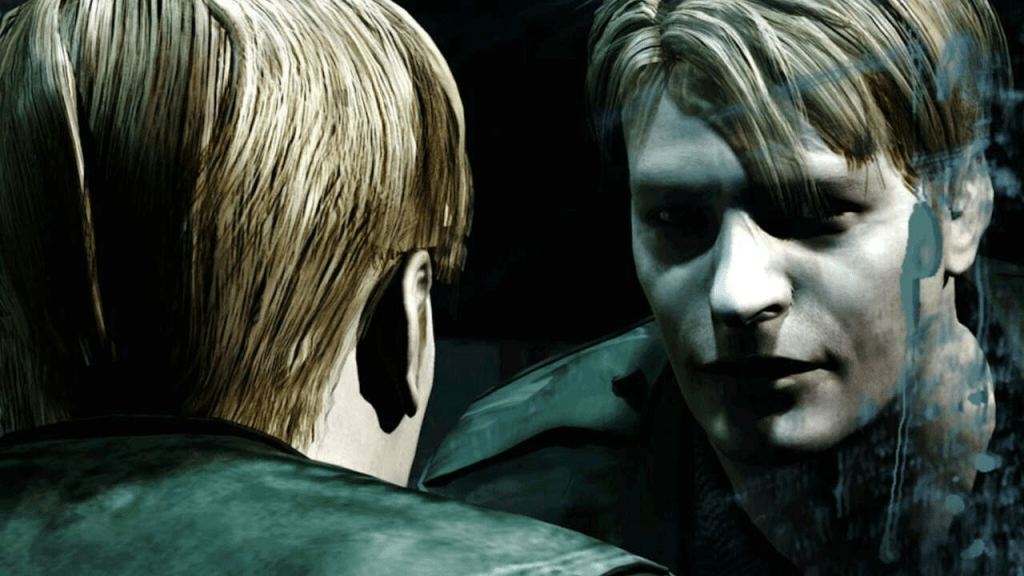
Silent Hill 3 had an impossible task that it somehow managed to live up to: function as an effective sequel to one of the greatest games of all time. And of course, the black sheep of the family, Silent Hill 4: The Room. Divisive among some gamers for taking a different approach, it also managed to be a memorable, effective entry.
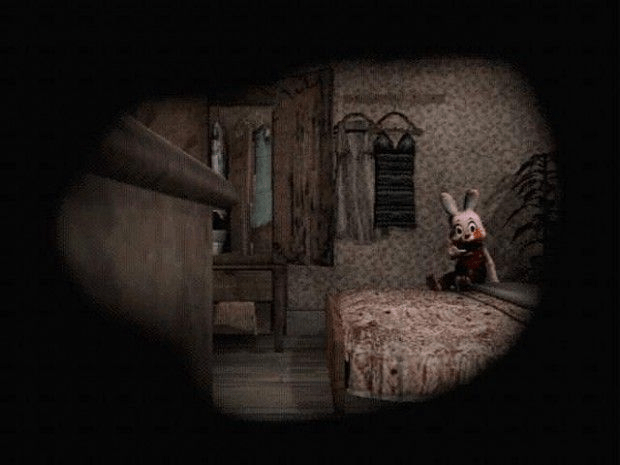
The rest of the catalogue is…mixed. You’ve got Silent Hill: Origins, a prequel to the first game. I haven’t played through this one yet, but it seems to be more positive than negative. Silent Hill: Homecoming, essentially a remixed version of the themes of Silent Hill 2 that on its own floundered. And Silent Hill: Downpour, a game with a bland main storyline but amazing optional content and overall setting. Of course, no discussion of Silent Hill would be complete without the obligatory P.T. mention. Noteworthy perhaps for being the face that launched the first person survival horror revolution, its unreal promise of Del Toro and Kojima hijinks sadly never went beyond the demo phase.
With the last mainline entry, Downpour, coming out way back in 2011, what happened between then and now? Radio silence for the most part. Until within the last few years Konami announced their renewed commitment to the franchise, starting with a remake of Silent Hill 2 and bleeding off into several other properties.
Before diving into the successes and failures of The Short Message, I think we need to pause and reflect on just what makes Silent Hill special. So many memories float to the surface: a puzzle involving needing to melt wax in an indent and use a hair to remove the solidified object; there was a hole here, it’s gone now, baby wails, alarms ringing, wing beats, and radio static coming at you from just on the other side of the impenetrable fog; the introduction of the first game where you, a father distraught and frantically searching for his missing daughter, wanders down an alleyway, only to be savagely attacked by knife-wielding…babies?; trapped in a mall as a teenage girl surrounded by bunny horrors; trapped in first person inside your apartment, fighting off spirits before you climb out a hole into the world beyond.
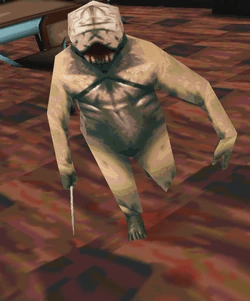
All of these experiences have a common thread: they never made any goddamn sense. And that’s a huge part of how and why Silent Hill works as well as it does. It is a blank canvas upon which the player might project their damages in sympathy with the echoes unspooling before them. Silent Hill isn’t suicide, depression, isolation, fear, etc. And it is also all of these things.
So let’s talk about The Short Message. In short (tee-hee), there’s more good here than bad. However, I think Short Message gets dangerously close to exploitation territory, and goes largely for easy, low-hanging thematic fruit. First and foremost, the game looks gorgeous. You play as teenager Anita, trapped in a looping, first-person European nightmare dealing with two of her friends, Maya and Amelie. If I asked you to pitch a story about a triangle of high school friends and the trauma/damages/struggles they underwent, I think almost anyone could come up with something less homogenous than what unfolds across the 90 minute-ish run time of Short Message. Your mom was abusive? Check. Relationship drama? Check. Projecting yourself onto those around you? Check. Bullying? Check. While these themes have universal appeal due to their relevance, that doesn’t mean they can’t be handled in a unique or original way.
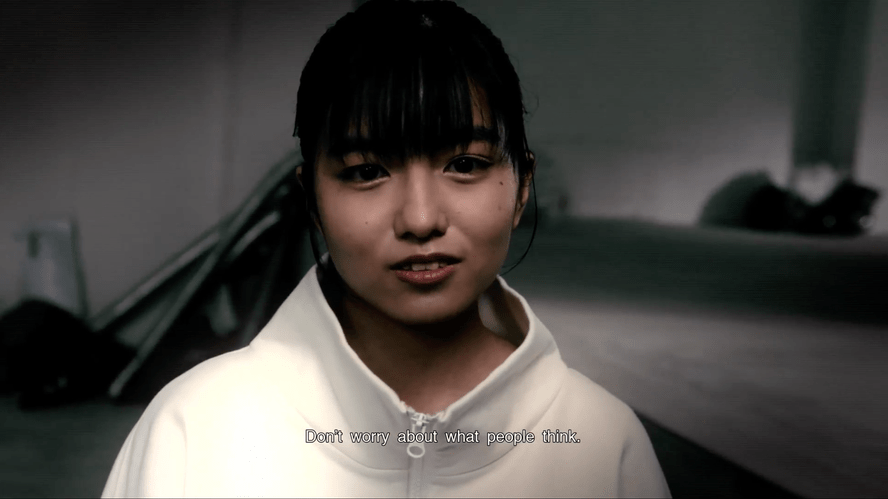
You’ll spend your time walking around a villa slowly uncovering tidbits of story as you go from vision to vision. There are live action cutscenes involving the characters. I personally didn’t like this, but I love that they tried to do something different. At various points, you’ll have to run from some kind of flower monster to progress to the next narrative section.
Speaking of sections, let’s get something out of the way: This game, to me, came sooooo close to exploiting the suicide themes. In the year of our lord, 2024, trigger warnings are not uncommon. So I was not surprised that upon booting up the game I was greeted by the following:
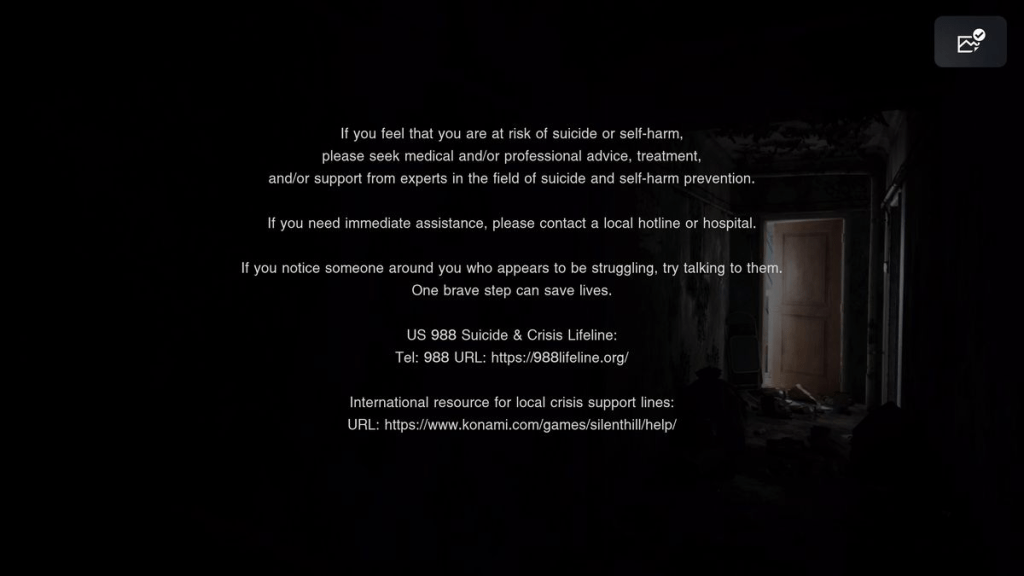
As someone who has dealt with and continues to deal with depression and suicidal thoughts/ideation, I think this is great. If anything, increasing awareness of resources can only help. So where does the exploitation come in? Well, the State of Play trailer contained this warning:

Each time you progress to the next section of the narrative, you are again greeted a similar warning. And finally, again, at the conclusion of the game. Short message wears its damage proudly on its sleeve. Here be suicide. Again. and Again. And again. I recognize my own cognitive dissonance: I both admire this and have an issue with it. This is essentially the tokenization of mental illness. We need to make a Silent Hill game? OK. Where do we start. Well, the older games that everyone seems to love have characters that struggle through depression, loss, and all that stuff. Great! Let’s bring this shit into the 21st century and make sure everyone knows we’re going with the suicide angle. They’ll love that shit.
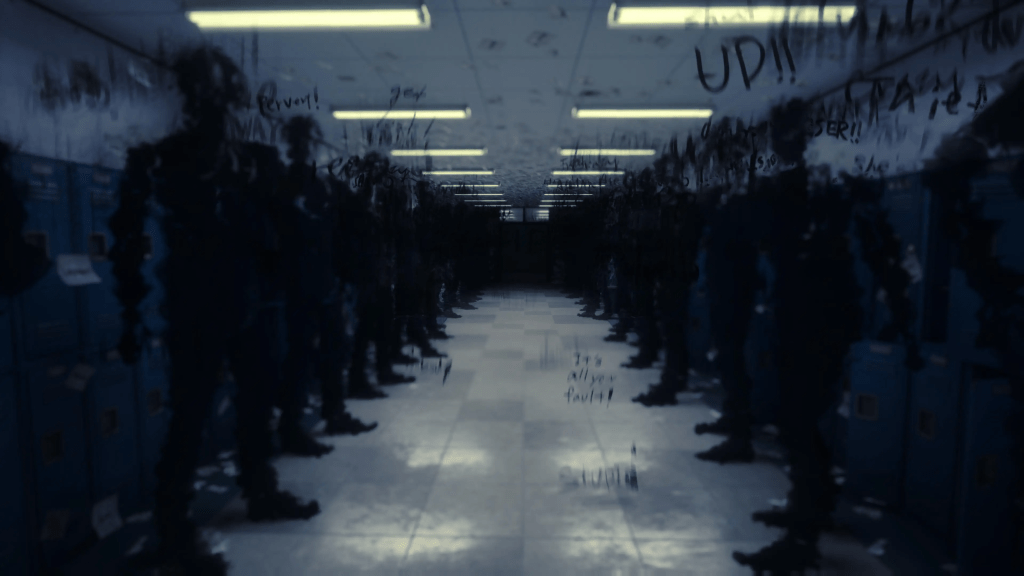
“Here was a game that tackled mature, complicated themes in a mature and complicated way.” This game, is not that game. It feels more like someone just kept throwing psychological damage tropes onto a pile until someone had to yell stop because the scale was overflowing. Suicide, depression, anxiety, isolation, all of these themes are universal, and serious, or, to take on the language of the mid-2000s ESRB rating MATURE. But that giant M on the packaging and the few lines explaining it on the reverse were all you had to go by. No expectation beyond that was set. If you are going into a mature experience, you might should expect to see things like this handled.
Silent Hill 2 is classic because it buries the lead. It doesn’t yell to you from across the isle that it’s character is suicidal, depressed. You have to unweave a complex story to find out what’s going on. It bears mentioning that I am a 36 year old man writing this. I do think this game took an interesting approach to reflecting the difficulties of the modern teenager as seen through the impenetrable fog of Silent Hill. I recognize that that experience is different than mine.
So Short Message. I loved the use of music in the game – something that is a common thread through all the Silent Hill games. Akira Yamaoka soundtracks are essentially the John Williams special sauce that make Spielberg’s masterpieces transcendent. I also thought the use of the cell phone was handled well here, but again, it’s very surface level. It’s your flash light and works well for some intense textual interactions. The possibilities are endless: make me manage the cell phone battery between using the flashlight and maybe playing a game that will keep my sanity from going to off the rails. I’m excited to see what subsequent games do here.
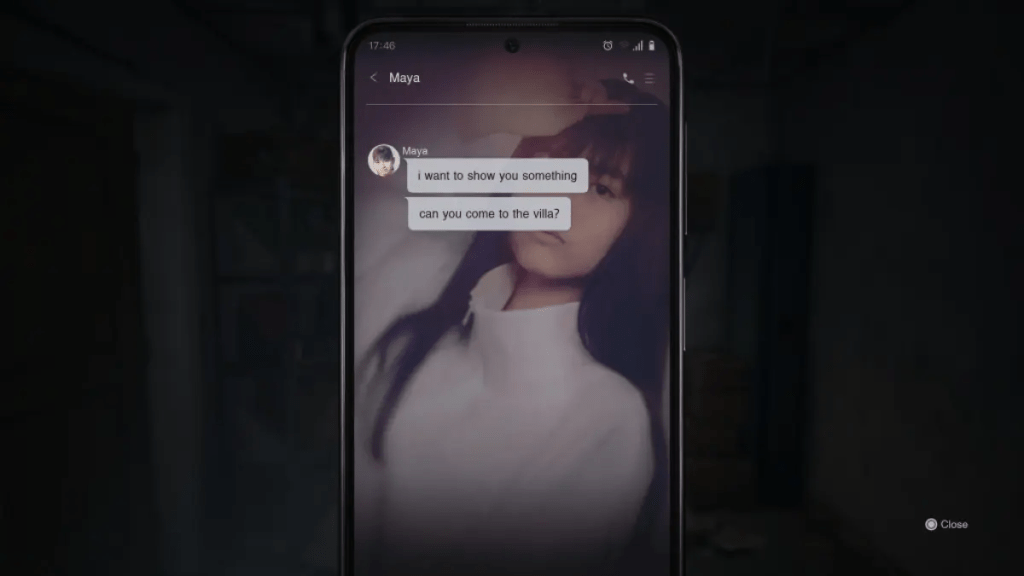
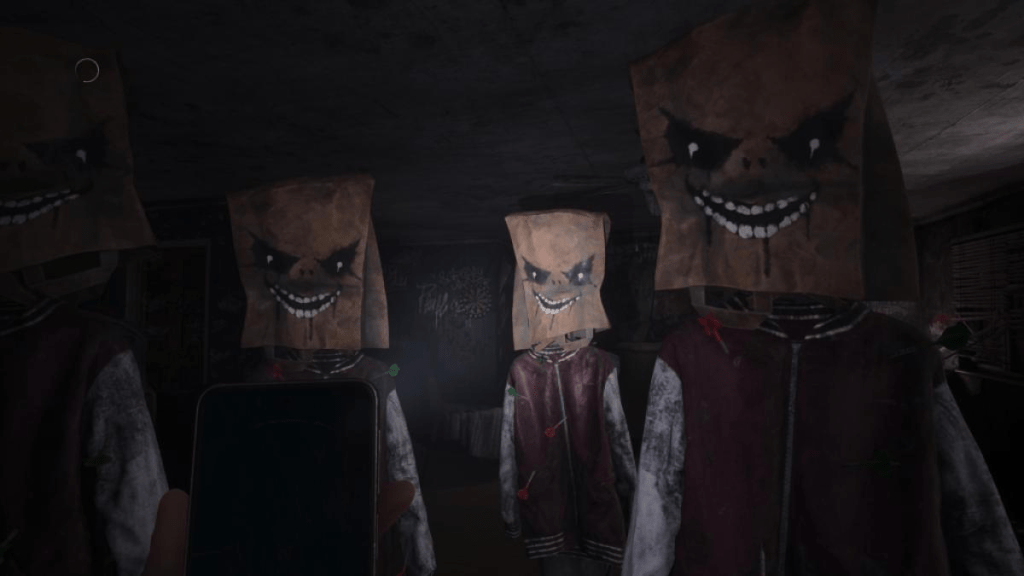
While not too scary in general, the game did get me extremely well in one sequence. It’s becoming harder and harder to pull off effective scares in video games without devolving into jump-scare-jerkfests. I won’t spoil it for you, but props to the designers for getting this done.
The game is pretty light on the Silent Hill. You run through corrupted cage-like mazes and gaze off into the distance at the fog enshrouded city around you. But there isn’t really anything tying the game into the larger mythos. Other than something that blew my mind!
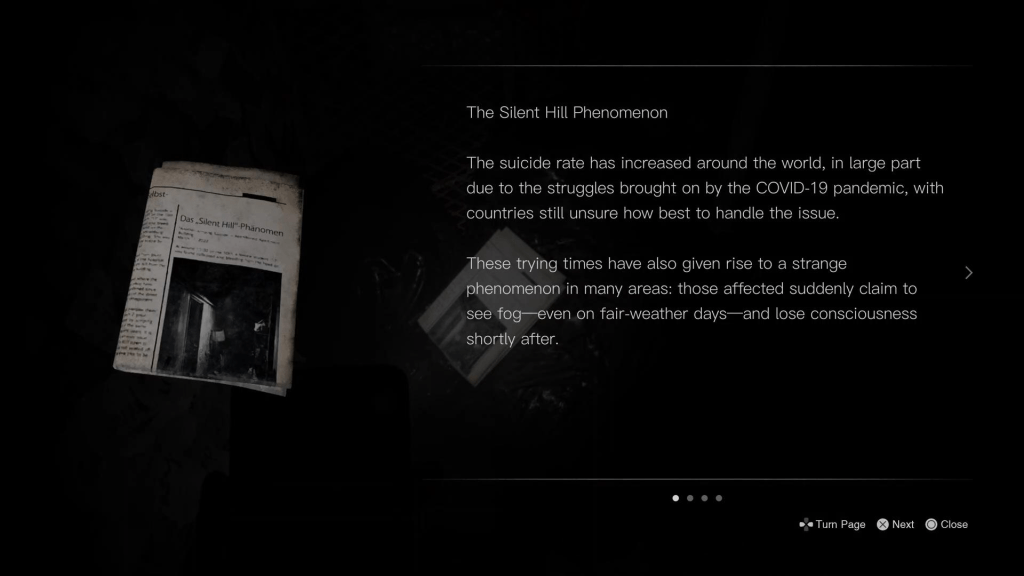
This is a passing reference in the game and isn’t addressed by the characters at all. What a concept! I hope this is a plant for what is coming in later games. Another design choice I really liked was the subtle use of perspective in a certain segment of the story. As you experience your character’s history with abuse, her viewpoint shrinks and shrinks, showing us what she saw as a child. As stated above, I don’t love how the topic of abuse was lumped in along with everything else, but I loved the execution of this.
Where does that leave us? I don’t regret the time I spent with Short Message – it’s hard to when it was free! And I love the concept of shadow dropping things unexpectedly. More of that please. I’m cautiously optimistic going forward.
 Bits in the Belfry