
Holier than Thau…maturge?
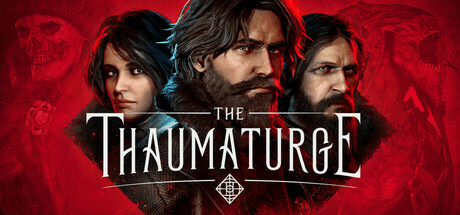
The isometric RPG is here to stay. Not that there was ever any doubt of that, but it continually surprises me to find and experience the ways in which developers reinvent and find new ways to bust out the game equivalent of delicious nut meat from what, on the exterior, could be mistaken for the corpse of a long-ago discarded pistachio. Larian’s success alone in the field (Baldur’s Gate 3, Divinity) has ensured its longevity for at least another decade or more.
So what do you get when you take a bunch of ex-CD Projekt Red devs, said isometric viewpoint, and a heaping helping of Polish history?
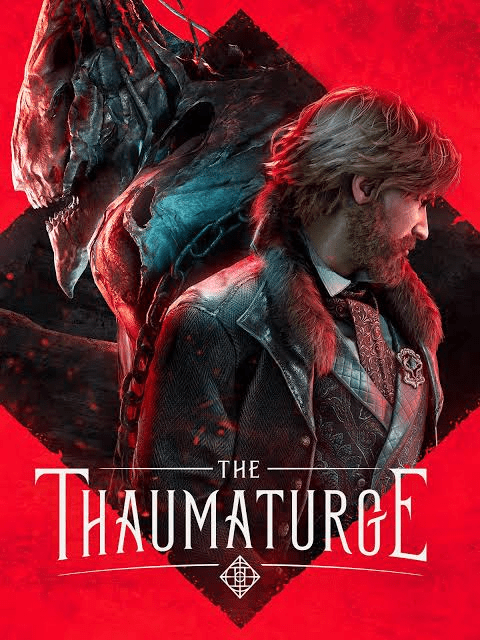
Set in the very real world place of Warsaw, Poland, in the year 1905, The Thaumaturge is a 2024 game from Fools Theory that draws from Polish folklore to fill in the historical gaps with more fantastical elements. You are Wictor Szulski, the son of a prominent Thaumaturge (and also one in your own right) returning home upon news of your father’s death. What is a Thaumaturge you ask? According to our good old (and still free to access) friend Merriam-Webster: borrowed from Medieval Latin thaumatūrgus “worker of miracles,” borrowed from Late Greek thaumatourgós, going back to Greek, “performer of wonders (as an acrobat),” from thaumat-, thaûma “wonder, object of wonder or admiration, marvel” (probably derivative from the base of théā “sight, spectacle”) + -ourgos “performing, carrying out (the thing specified),” going back to *-o-wergos or *-o-worgos, derivative of Indo-European *u̯erǵ- “make, bring about” (whence, as a nominal derivative, Greek érgon “work”).
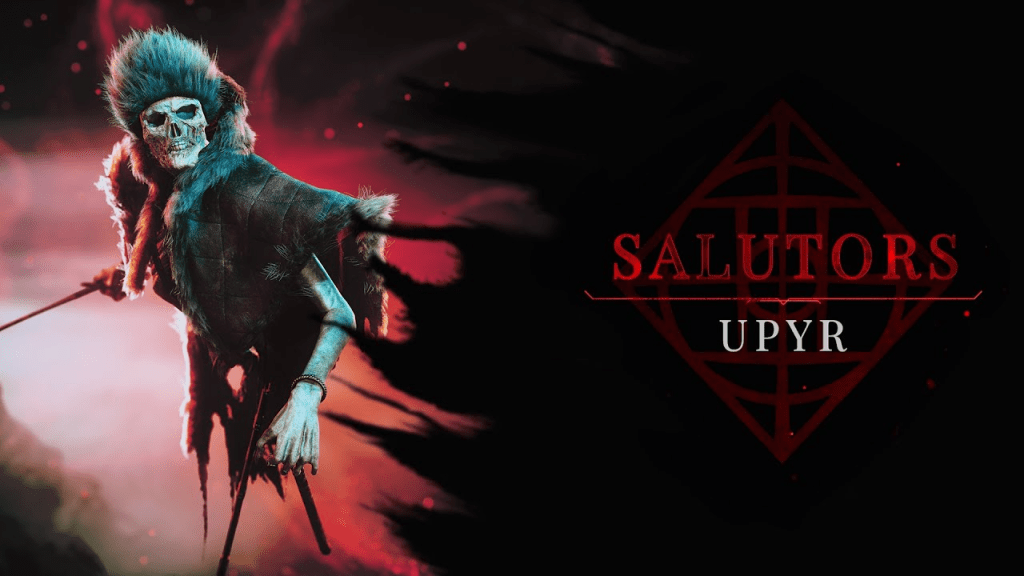
So our boy Wictor can work miracles. But how does he go about that? By using powerful beings called Salutors who are attracted to human flaws and attach themselves in those exhibiting them the strongest. You begin the game with your trusty old Salutor friend Upyr, who you find out has been with Wictor since he was a child. And what better friend for a young boy? In Slavic folklore, when someone killed themselves, died unbaptized, or died without their soul being redeemed for their sins, they became an Upyr, and rose from the grave. The rest of the Salutors must be found and effectively carved off other people and bent to your will throughout the game.
And that’s one of the first examples of what makes The Thaumaturge shine: it’s reverence for folklore and history. Everything is tied to something from the way back, be it rooted in historical fact or myth. And a significant portion of the tension found throughout the game is rooted in fact. You find yourself in the capital city of a Poland that has recently been made part of the Russian empire, and not everyone is happy about that fact. Some going so far as to foment revolution, plot and scheme about how to expel the Russians and take back Poland for the Polish. Which leads me to: punching.
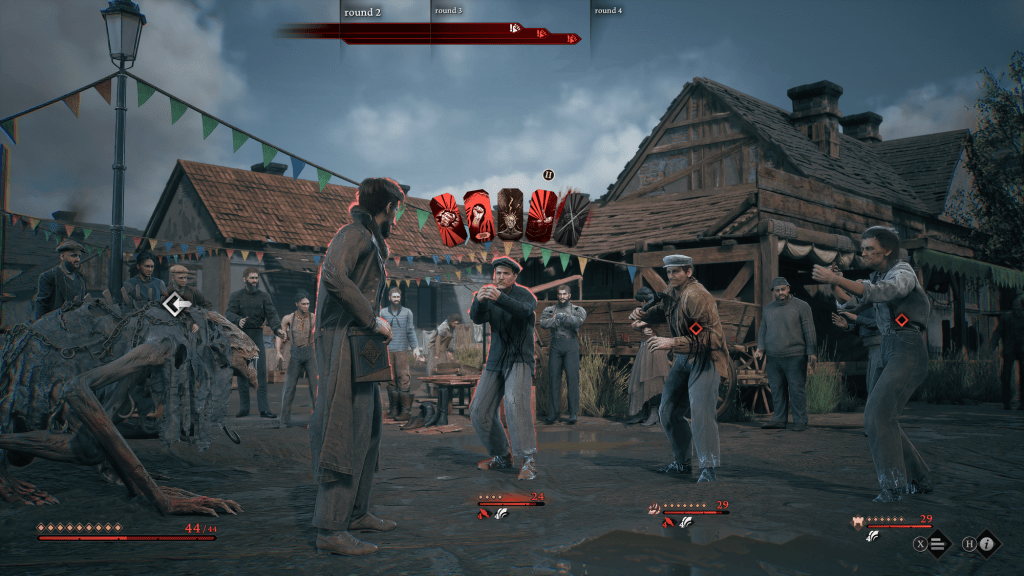
You’ll split your time between running from place to place, finding items imbued with magical meaning and messages, all of which you weave together to make deductions and advance the various plotlines, and battling with the local denizens. Combat is mostly straightforward, offering several different paths to choose from and a few neat combinations, depending on which Salutors you acquire on your journey. You’ll find yourself in the good old Final Fantasy one-side-standing-apart-from-the-other screen, trading blows. I’ve seen The Thaumaturge’s combat called repetitive, and I can’t really disagree with that, but never found myself bored or dreading the next encounter. This is one of the areas that makes me hopeful for a sequel: there are a handful of aspects of the game like this. Things that are good but could be great if pushed. The variety of enemies was something which I found a bit lacking. You effectively only battle human beings, and when you do happen to run into another Salutor, they kind of loom behind the battlefield and throw different statuses your way until you beat down all of its ghostly defenders.
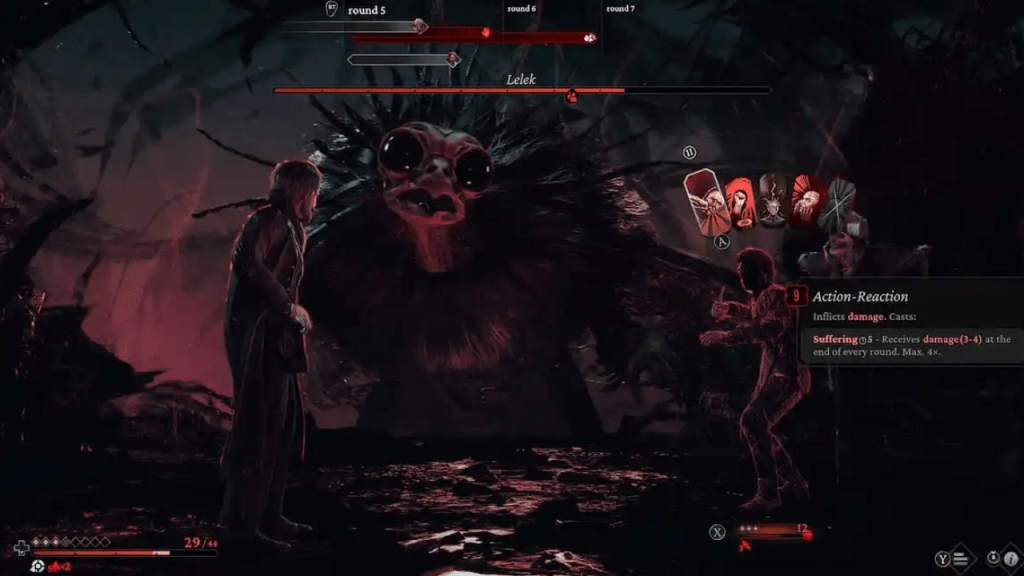
Some of the animations were fantastic. I particularly liked that of the riflemen when they expire: they kind of spin away and throw their weapon off the side. Great stuff.
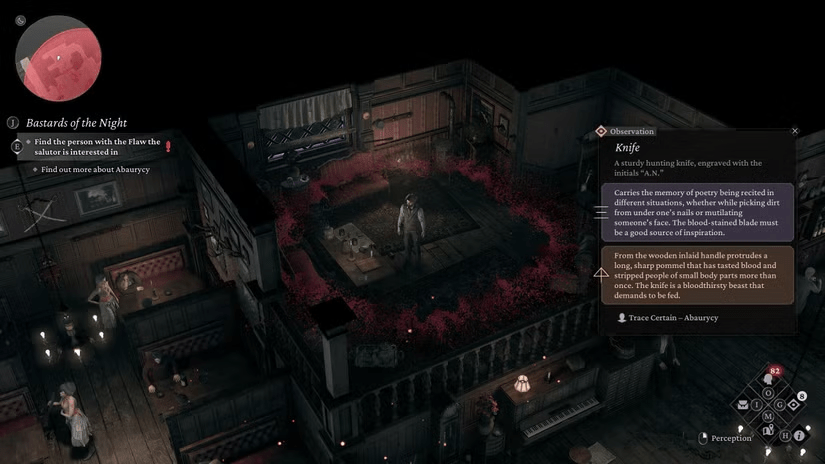
Going back to magical meaning and messages: you find these by running around and snapping your fingers (using perception), looking for highlights to appear, or for floaty red clouds to direct you toward an objective. Each time you find something, it pops up with a brief blurb of writing that always serves to either advance the story or flesh out the setting. The writing was consistently great, and probably the thing I enjoyed most about the game. As you navigate the relationships and conflicts of this world, you really delve into the meat of people’s emotions, the tangled web of what it is to be human and the permutations of suffering that can occur.
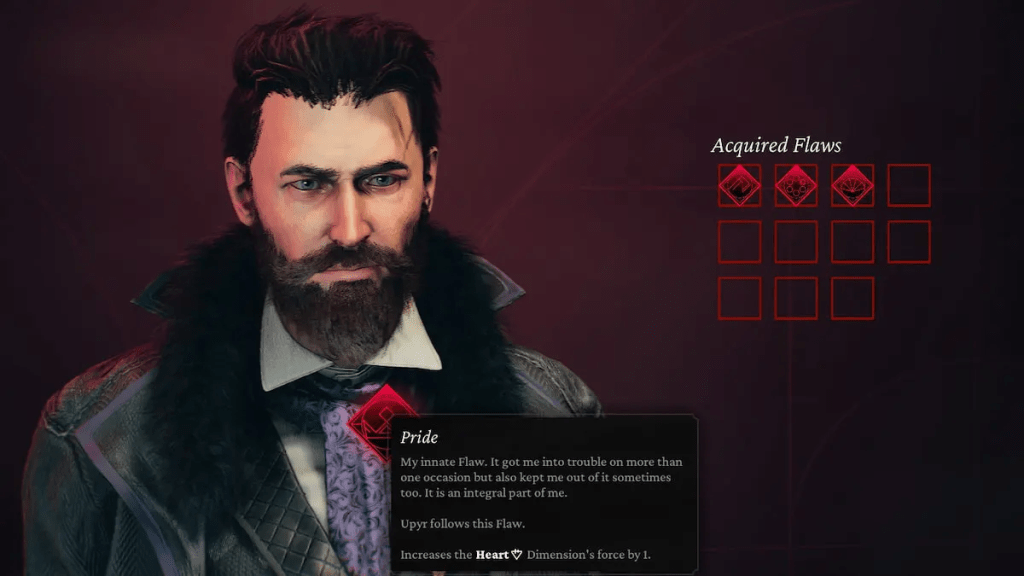
Let’s talk characters. Once you return home you quickly meet your sister, your best friend from childhood, your head-of-police uncle, and a handful of your father’s associates. And surprise: not a one of these relationships is one-dimensional. And all of them come with baggage to explore and eventually make your mark upon. You largely have the option to play through the game as good guy Wictor, or to fully embrace your inner dickishness, your flaw of Pride. You have many choices to make across the 20-something-hour-long story, but many of them can be reduced to this dichotomy in the end. Another element that makes me pumped for a sequel and the possibilities.
Oh also you have significant dealings with one Greigori Rasputin. Yes, that Rasputin. Though if we’re going down that road we might as well go all the way.
He acts as a sort of spiritual counsellor, hypnotizing Wictor whenever he becomes broken by his latest Salutor acquisition.
All in all I was quite impressed with what The Thaumaturge had to offer. Compared to something like Expedition 33, a game lauded for its cultural components, but that can effectively be reduced to “hey we’ve got mimes and accordion,” The Thaumaturge fully embraces its setting, and raises questions that manage to still be relevant today dealing with things like cultural identity. Oh, and the music is wonderful.
 Bits in the Belfry